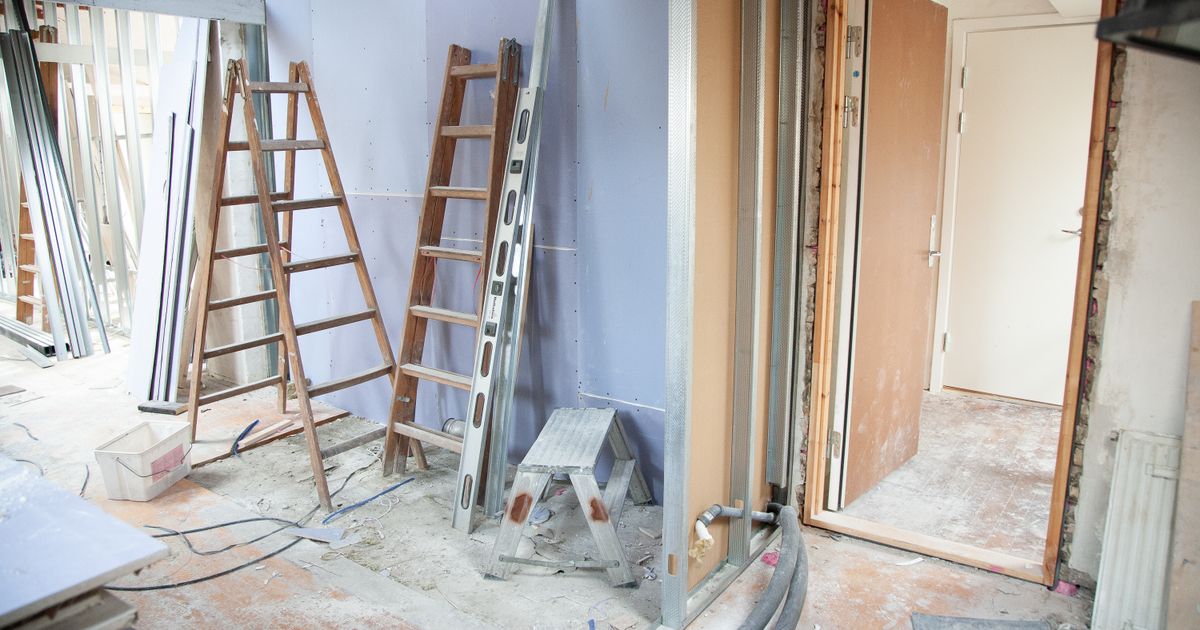
Hang tools vs finish tools
Hanging needs lifting and fastening gear. Finishing needs knives, pans, and sanding. Buy or borrow both before mud day — driving to the store with wet mud on the walls wastes coats. Estimate sheets first with the drywall calculator.
Must-have hanging tools
Optional: router with drywall bit for outlets after hang, deadman T-brace for ceilings if no lift.
- Drywall T-square (48 inch) and utility knife with spare blades
- Screw gun or dimpler bit — sinks screws without breaking paper
- Drywall lift (rent) for ceilings — safer than ladders alone
- Panel carrier or helper for 4×8 and 4×12 sheets
- Keyhole saw or jab saw for outlets and switches
- Tape measure, chalk line, pencil, hammer for plates
Must-have finishing tools
Banjo tapers speed long runs but beginners often get cleaner flats with hand tape. See tape and mud guide.
- 6 inch, 10 inch, and 12 inch taping knives (flexible)
- Mud pan or hawk; mixing paddle for drill
- Paper tape (preferred for flats) and corner bead tools
- Pole sander + 120–220 grit screens or paper; sanding sponge for corners
- Shop vac with drywall dust bag or HEPA; plastic sheeting
- Corner trowel for inside corners if you finish many rooms
What you can skip at first
Next: hang step-by-step, then sanding with dust control.
- Full auto taper (bazooka) — pro rental, steep learning curve
- Texture sprayer until walls are flat and primed
- Cheap knives that leave ridges — one good 10–12 inch knife beats three bent ones